
Entertainment
Gears of War: E-Day – Story, Gameplay & Multiplayer
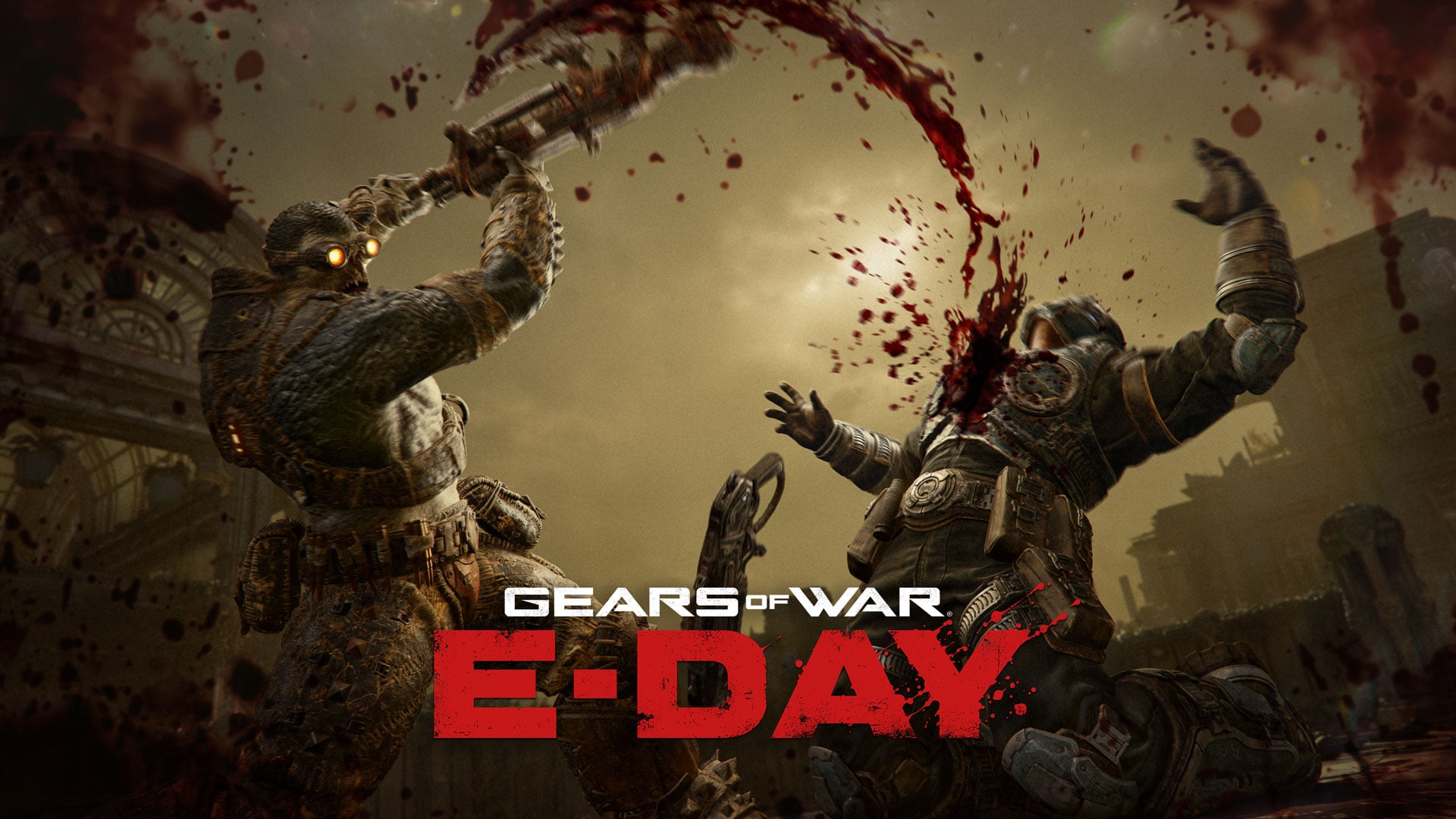
Explore Gears of War: E-Day gameplay, including Horde Siege, competitive Versus, modernized combat, and its darker approach to the franchise.

Gears of War: E-Day – The Beginning of Emergence Day
The Gears of War franchise has always been recognized for its brutal combat, memorable characters, overwhelming enemies, and unforgiving battlefields. Now, Gears of War: E-Day takes players back to the beginning of one of the most devastating events in the franchise’s history: Emergence Day.
Developed by The Coalition, E-Day tells the story of what happened fourteen years before the original Gears of War. Players join Marcus Fenix and Dominic Santiago as humanity faces an unexpected invasion from the Locust Horde, a terrifying enemy emerging from beneath the surface.
This is more than another chapter in the franchise. It is an opportunity to experience the beginning of a war that would shape the lives of countless characters and change the fate of humanity.
Built using Unreal Engine 5, Gears of War: E-Day brings back the familiar cover-based combat while introducing modernized movement, improved traversal, redesigned weapons, and a darker atmosphere.
Beyond its campaign, the game also introduces Horde Siege, an expanded cooperative PvE experience, alongside a refined competitive Versus multiplayer mode.
Whether you are a longtime Gears veteran or someone discovering the franchise for the first time, E-Day offers a closer look at where the nightmare began.
The Story of E-Day: Where the Nightmare Begins
Emergence Day represents one of the most significant events in the Gears of War universe. It marks the moment humanity discovered that its greatest threat was not coming from another nation or an opposing military force, but from an enemy that had been hiding beneath the ground.
Gears of War: E-Day takes players fourteen years before the events of the original game, placing Marcus Fenix and Dominic Santiago at the center of an invasion that would forever change their world.
Unlike a conventional military conflict, this was an attack that humanity was not prepared to understand, let alone defend against. Cities became battlegrounds, civilians were caught in the devastation, and the sudden appearance of the Locust Horde forced humanity into a desperate fight for survival.
What makes this origin story particularly interesting is its opportunity to show the characters before the events that longtime fans already know. Marcus and Dom are not simply returning familiar faces. Their experiences during Emergence Day help establish the foundation of their friendship, their determination, and the people they eventually become.
The campaign can be experienced alone, through two-player split-screen on console, or with up to four players online. This gives players the flexibility to experience the invasion independently or share the experience with friends.
The darker presentation also places greater emphasis on horror. Rather than treating the Locust as another group of enemies to eliminate, E-Day aims to restore the fear and uncertainty that made the original invasion so memorable.
For longtime fans, the appeal is seeing an important part of Gears history brought to life. For newcomers, it provides a starting point for understanding the conflict that defines the franchise.
Marcus Fenix and Dominic Santiago
Marcus Fenix and Dominic Santiago are two of the most recognizable characters in Gears of War. Their relationship has always been an important part of the franchise, making their return in E-Day particularly meaningful.
This time, players get to experience them much earlier in their lives, before the events that established their reputations as hardened soldiers.
The campaign provides an opportunity to understand their connection through the circumstances surrounding Emergence Day. Facing an enemy that humanity barely understands creates an entirely different kind of pressure, especially when survival depends on trusting the people standing beside you.
Marcus brings the determination and combat instincts that longtime fans recognize, while Dom represents the importance of loyalty and companionship throughout the conflict.
Their partnership is more than a convenient pairing for a third-person shooter. It is part of what gives Gears of War its emotional foundation.
Revisiting these characters also creates an opportunity for the developers to explore their personalities without relying entirely on familiar moments from previous installments.
For returning players, seeing Marcus and Dom at the beginning of this nightmare is one of the strongest reasons to experience E-Day.
The Locust Horde and the Fall of Humanity
The Locust Horde has always been one of the defining threats in the Gears of War universe. Their sudden emergence transformed a seemingly ordinary world into a battlefield filled with destruction, panic, and uncertainty.
E-Day places this invasion at the center of its experience, allowing players to witness the terror associated with the Locust threat from a different perspective.
The enemy designs are reimagined to create a more intimidating presence. Familiar creatures return with greater emphasis on their brutality, while new threats and villains expand the dangers players must confront.
This approach matters because the Locust should never feel like ordinary opponents waiting to be defeated. Their strength comes from their numbers, aggression, and ability to turn seemingly secure locations into dangerous environments.
The invasion also gives the campaign a stronger sense of urgency. Players are not simply fighting to complete objectives. They are fighting through the beginning of a catastrophe that humanity was not prepared to face.
That distinction is important when revisiting a story that longtime fans already understand.
Horde Siege PvE – Bigger Battles, Stronger Cooperation
Horde has been one of the most recognizable cooperative experiences in Gears of War. Its straightforward appeal has always been bringing players together, defending their position, managing resources, and surviving increasingly dangerous waves of enemies.
Gears of War: E-Day expands that foundation with Horde Siege, a cooperative PvE mode designed around larger maps, multiple squads, shared objectives, and more demanding encounters.
Instead of limiting the experience to a small group defending one location, Horde Siege introduces a larger battlefield where teams must work together to complete objectives and withstand the Locust invasion.
The mode supports a 12-player battlefield organized into three four-player squads. This creates more opportunities for coordination and allows players to contribute to a larger operation rather than concentrating entirely on their own team’s survival.
Players can choose between four classes: Assault, Marksman, Medic, and Breacher. Each provides a different approach to combat and encourages squads to consider how their members complement one another.
The addition of shared objectives and world bosses also gives the experience more variety than simply surviving one wave after another.
Survival brings rewards, customization opportunities, and improvements to loadouts, giving players reasons to return and strengthen their preferred playstyles.
Horde Siege is particularly appealing for players who enjoy cooperative shooters. It emphasizes communication, team composition, and situational awareness while retaining the aggressive combat that makes Gears recognizable.
The larger scale is a welcome direction for a mode that has remained an important part of the franchise.
Classes, Squads, and Shared Objectives
Horde Siege introduces four playable classes, giving players more flexibility when deciding how to approach the battlefield.
- Assault: Designed around aggressive engagements and frontline pressure.
- Marksman: Focuses on precision and eliminating threats from a distance.
- Medic: Supports the squad and helps maintain its ability to survive.
- Breacher: Suited to close-range engagements and breaking through enemy resistance.
The importance of these classes becomes more apparent when players begin coordinating with other squads.
A successful operation requires more than individual performance. Teams must understand their responsibilities, communicate when objectives change, and provide support when another squad encounters difficulty.
With multiple squads working toward shared objectives, the battlefield becomes a larger cooperative effort.
Players who prefer aggressive combat can still contribute, but ignoring the needs of the overall team can make encounters considerably more difficult.
This is where Horde Siege has an opportunity to stand apart from traditional wave-survival modes. It gives cooperative players a reason to think beyond their immediate surroundings and consider how their actions affect the wider operation.
Rewards, Customization, and World Bosses
Progression gives players another reason to spend time in Horde Siege.
Surviving encounters and completing objectives provide rewards that can be used to unlock customization options and improve loadouts for future matches.
This creates a natural incentive to experiment with different classes, weapons, and squad compositions instead of relying on one approach throughout the entire experience.
World bosses add another layer of difficulty. These encounters demand greater coordination and can challenge players who become too comfortable with the standard wave-survival format.
The shared objectives also help establish a sense of progression within individual matches. Teams have reasons to move across the battlefield, support other squads, and adjust their priorities as circumstances change.
For players who enjoy cooperative progression, this structure offers a more involved experience than simply defending one position until the final wave.
The biggest strength of Horde Siege is its emphasis on cooperation. A well-organized squad can make a considerable difference, but success depends on understanding that everyone contributes to the larger objective.
Versus Multiplayer – The Return of Competitive Gears
Competitive multiplayer has always been an important part of Gears of War. Its cover-based shooting, deliberate positioning, close-range engagements, and demanding weapon encounters have helped establish an identity that separates it from many other third-person shooters.
Gears of War: E-Day brings Versus back with refined fan-favorite 4v4 modes and entirely new maps.
The objective is to preserve the familiar competitive foundation while making combat feel more fluid through modernized controls and movement.
This is particularly important because Gears multiplayer has traditionally rewarded players who understand positioning, timing, and map awareness. Simply running toward an opponent without considering available cover can quickly become a costly mistake.
E-Day introduces additional movement options, including jumping, vaulting, sliding, and improved traversal. These mechanics create more opportunities to reposition, flank opponents, and respond to changing encounters.
However, the familiar cover system remains central to the experience.
Players can choose between Ranked and Social playlists depending on how seriously they want to approach competitive multiplayer.
Ranked provides an environment for players interested in testing their abilities and climbing the competitive ladder. Social playlists offer a more relaxed alternative for those who simply want to enjoy a few matches.
This separation is valuable because not every player approaches multiplayer with the same expectations.
Some want competition, while others prefer playing casually with friends.
By offering both experiences, E-Day maintains room for different types of players without losing the competitive identity that has helped define Gears.
Ranked and Social Playlists
The inclusion of Ranked and Social playlists gives players greater control over their multiplayer experience.
Ranked is designed for players who want a competitive environment where performance and consistency matter. It provides an opportunity to test mechanical skill, positioning, weapon knowledge, and teamwork against other players pursuing similar goals.
Social playlists offer a less demanding alternative. Players can jump into matches without placing the same emphasis on competitive progression.
This distinction is important for maintaining a multiplayer environment that welcomes both dedicated competitors and casual participants.
Not everyone wants to spend every match worrying about their ranking. Sometimes, players simply want to enjoy familiar maps, experiment with different weapons, or spend time with friends.
The availability of both options helps accommodate those preferences.
The return of familiar 4v4 modes also gives longtime fans something recognizable while the new maps introduce opportunities to learn different routes and combat situations.
Ultimately, the strength of Versus will depend on its long-term balance, matchmaking quality, map design, and the developers’ willingness to support the community.
Modernized Movement and Classic Gears Combat
Movement is one of the most noticeable areas of evolution in E-Day.
The franchise’s traditional cover-based combat remains intact, but additional traversal options provide more freedom when moving through the battlefield.
Jumping, vaulting, and sliding allow players to respond to encounters with greater flexibility. These mechanics also introduce additional opportunities for aggressive players to pressure opponents and create openings.
However, movement alone does not guarantee success.
Understanding when to remain behind cover, when to reposition, and when to commit to an engagement remains essential.
That balance is what makes Gears multiplayer distinct.
A more fluid movement system should complement the original combat rather than replace the mechanics that made the franchise recognizable.
For longtime players, this is an important distinction. Modernization is welcome, but the game still needs to feel like Gears of War.
If the developers can maintain that balance, E-Day has the potential to provide a competitive experience that feels familiar without becoming outdated.
A Terrifying Threat from Below
Horror has always been an important element of the Gears of War universe, particularly when considering the circumstances surrounding Emergence Day.
The original invasion introduced an enemy that was unfamiliar, overwhelming, and capable of turning ordinary environments into scenes of devastation.
E-Day places greater emphasis on these elements through a darker visual presentation, reimagined enemies, and more detailed environments.
The world is designed to feel grounded and dangerous. Buildings, streets, and surrounding locations become part of an invasion that threatens everything humanity has built.
This approach helps establish a different atmosphere from a conventional action shooter.
Rather than relying exclusively on large firefights, the presentation aims to create tension through environmental details and the presence of enemies that feel genuinely threatening.
Familiar Locust enemies return, but their redesigned appearances and presentation help reinforce the brutality of the invasion.
The addition of new creatures and villains also gives players unfamiliar threats to encounter.
For longtime fans, the return to Emergence Day is an opportunity to experience the Locust invasion with modern visual technology.
For newcomers, it offers a darker introduction to the world of Gears.
The horror element is especially important because it reinforces the scale of what humanity is facing. These are not ordinary soldiers fighting another military force. They are confronting an enemy emerging from a place they never expected to become a battlefield.
A Darker Atmosphere and More Dangerous Enemies
Atmosphere can make a considerable difference in how players experience an action game.
E-Day aims to establish a more unsettling environment by combining detailed locations, darker presentation, and threatening enemy designs.
The Locust are central to this approach.
Their presence should communicate danger even before an encounter begins. Their appearance, aggression, and ability to overwhelm players help establish the sense that humanity is facing something far beyond an ordinary military conflict.
The environments also contribute to the experience. Destroyed surroundings and signs of widespread panic reinforce the consequences of the invasion.
This is particularly relevant to an origin story because players already understand the importance of Emergence Day within the larger franchise.
The challenge is making that event feel as devastating as its reputation suggests.
A darker atmosphere also allows the developers to reconnect with the horror influences that helped distinguish the original Gears of War.
The goal is not simply to make enemies look more intimidating. It is to make the world itself feel less predictable and considerably more dangerous.
Feels Like Gears. Plays Like New.
One of the biggest challenges facing any established franchise is introducing new mechanics without sacrificing the identity that made the original games successful.
Gears of War: E-Day addresses this by retaining its signature cover-based combat while improving movement, traversal, and weapon design.
The result is intended to feel familiar to returning players without restricting the experience to mechanics from previous generations.
Cover remains an essential part of combat. Players must consider their positioning, use available protection, and understand when to advance or retreat.
However, the addition of modernized movement introduces more flexibility when dealing with enemies.
Jumping, vaulting, and sliding allow players to approach encounters differently, while improved traversal creates additional opportunities to move through the environment.
Weapon design follows a similar direction.
Fan-favorite weapons return with reimagined features, while new weapons expand the available options for close-quarters combat.
This combination matters because Gears has always had a recognizable combat identity. Its weapons, movement, and cover system work together to create encounters that feel different from traditional first-person shooters.
E-Day has the opportunity to build on that foundation without abandoning it.
For veterans, the familiar mechanics provide a sense of continuity. For new players, the modernized systems make the experience more accessible to contemporary third-person shooter audiences.
The important thing is maintaining the balance between innovation and familiarity.
Weapons, Cover Mechanics, and Traversal
Weapons have always been a defining part of Gears of War.
From familiar rifles to devastating close-range options, the franchise has established an arsenal that rewards players who understand the strengths and limitations of each weapon.
E-Day brings back recognizable favorites while introducing new options designed around aggressive engagements.
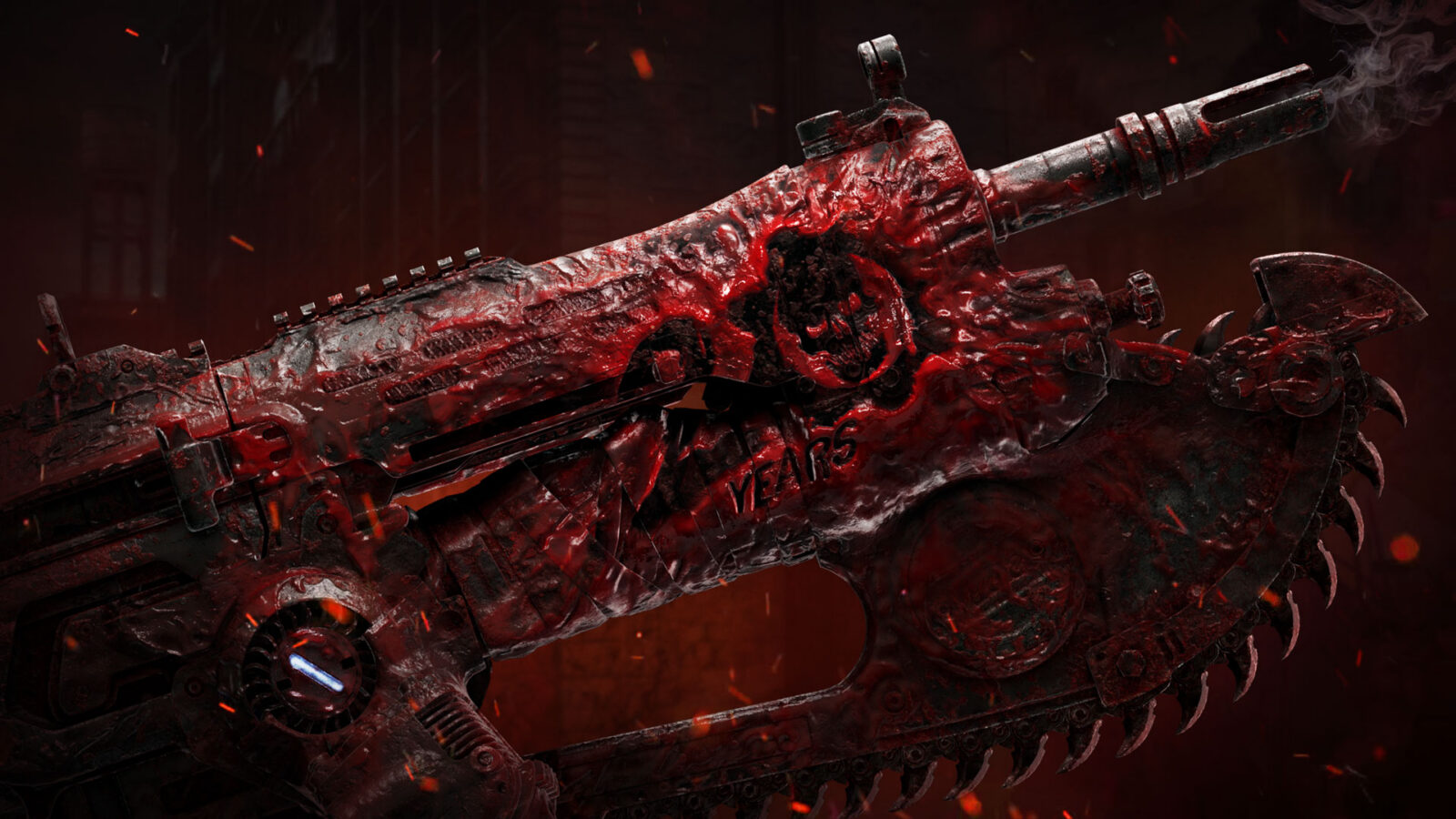
The Lancer remains an important part of the franchise’s identity, and E-Day explores its origins alongside other reimagined weapons.
New additions expand the available combat options, encouraging players to consider range, positioning, and the circumstances surrounding each encounter.
The cover system remains equally important.
Taking cover provides protection, but knowing when to leave that position can determine whether an encounter ends in victory or defeat.
Modern traversal adds another dimension to this approach.
Players can jump, vault, and slide to reposition more effectively, creating opportunities to flank enemies or escape unfavorable engagements.
Together, these mechanics create a combat system that respects the franchise’s history while providing additional freedom.
Unreal Engine 5 – A New Technical Foundation
Gears of War: E-Day is built using Unreal Engine 5, providing the franchise with a new technical foundation for its environments, lighting, visual presentation, and overall performance.
This is particularly important for a game centered around a large-scale invasion and detailed environments.
The technology allows the developers to push environmental detail and atmosphere further while creating a more grounded representation of the Gears universe.
Lighting and environmental presentation play an important role in establishing the darker tone. Destroyed buildings, shadowed environments, and detailed surroundings help reinforce the sense of devastation associated with Emergence Day.
The advertised technical targets include 4K resolution and up to 60FPS across Campaign and Multiplayer, subject to compatible hardware and display requirements.
For players, performance matters just as much as visual quality.
A game built around cover transitions, close-range engagements, and fast reactions needs responsive controls and consistent performance to maintain its intended combat experience.
The Unreal Engine 5 foundation provides an opportunity to improve both presentation and technical capabilities.
However, graphical improvements should never come at the expense of gameplay quality.
The most important measure of success is whether these improvements support the experience rather than distract from it.
E-Day has a strong foundation to deliver a visually impressive return to the franchise while retaining the gameplay elements that longtime fans expect.
Final Thoughts – Why Emergence Day Matters
Gears of War: E-Day brings players back to the beginning of a conflict that helped define one of gaming’s most recognizable third-person shooter franchises.
Its greatest appeal is the opportunity to experience Emergence Day through Marcus Fenix and Dominic Santiago, two characters whose relationship has remained an important part of Gears of War.
The campaign offers a darker origin story, while Horde Siege expands the cooperative experience through larger battles, multiple squads, and shared objectives.
Versus also returns with familiar competitive modes, new maps, and modernized movement that aims to preserve the franchise’s recognizable combat identity.
Perhaps the most important aspect is how E-Day approaches modernization.
There is a difference between improving a franchise and changing what makes it recognizable. Keeping the traditional cover system while introducing additional movement options is a promising direction, provided that the balance remains intact.
Unreal Engine 5 also gives the developers a stronger technical foundation to present the world with greater detail and atmosphere.
For longtime fans, E-Day offers a chance to revisit the origins of a conflict they have followed for years. For newcomers, it provides an opportunity to understand where the Gears of War story begins.
Emergence Day was never just another battle in the franchise’s history. It was the moment humanity’s fight for survival truly began.
And sometimes, understanding where a story ends starts with experiencing where everything went wrong.






Gears of War: E-Day – Story, Gameplay & Multiplayer

iPhone 18 Pro Max: A Paradigm Shift in Smartphone Technology

Modern Warfare 4: Release Date, Campaign, Multiplayer & More


-


 Gaming Tips and Tricks3 years ago
VR Set to Transform Gaming Before 2025
-
 Technology at its Best3 years ago
Discover All the Exciting New Features of iOS 17
-
 Anime3 years ago
Exciting News: Solo Leveling Anime Confirmed for 2024 Release!
-
 Entertainment4 years ago
The Great Battery Debate: Lithium vs. Ultium Batteries
-
 Entertainment3 years ago
FFVII Remake Intergrade: A Stunning Reimagining with New Adventures
-
 Entertainment3 years ago
The Division’s Lethal Hunters: Unmasking the Enigmatic Assassins
-
 Entertainment3 years ago
BANISHERS: GHOSTS OF NEW EDEN: A Journey to Life and Death
-
 Mental Health Helpful Knowledge3 years ago
Self-Treat Cognitive Burnout: 10 Effective Strategies for Recovery


