


Entertainment
Wuthering Waves Guide: Combat, Story, Exploration
Discover Wuthering Waves gameplay, story, combat, and exploration. Learn how Rover and Resonators shape this open-world RPG adventure.

Wuthering Waves – Complete Gameplay & Story Guide
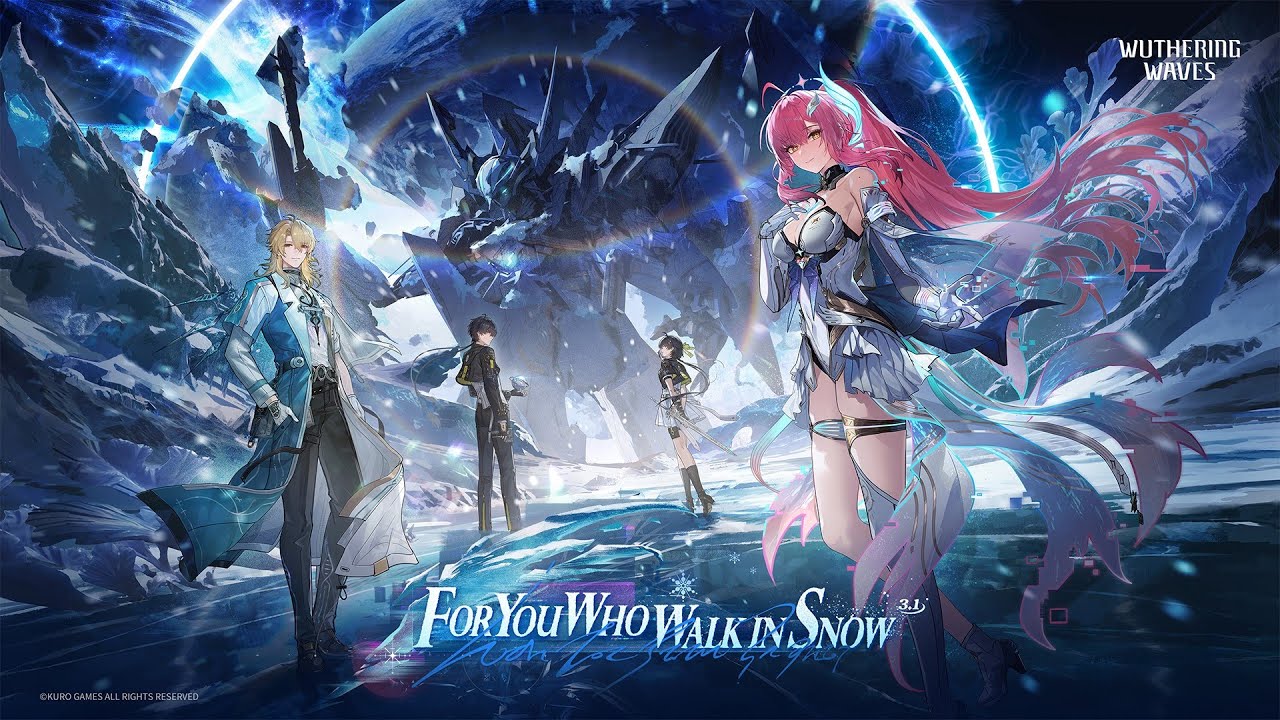
A Reborn World – Setting and Story
The world of Solaris-3 stands quiet, shaped by catastrophe.
The Lament reshaped civilization, freezing life and progress.
What remains is not ruin alone.
It is a reset.
Humanity rises again, building from fragments.
Cities, factions, and survivors adapt to a changed reality.
You awaken as Rover.
No past. No context. Only purpose.
Every step forward restores memory.
Every encounter adds meaning.
This structure keeps the story personal.
You are not observing events.
You are rebuilding identity within them.
Narrative delivery blends dialogue, cutscenes, and environmental cues.
Nothing feels isolated.
Story, exploration, and combat connect tightly.
Progress in one fuels the others.
The Lament and Humanity’s Return
The Lament is not just a disaster.
It defines the world’s rules.
Creatures, landscapes, and energy systems all trace back to it.
Enemies are not random. They are outcomes.
Humanity adapts quickly.
Technology merges with unknown forces.
This creates tension.
Old-world logic no longer applies.
The setting stays grounded yet unfamiliar.
That balance keeps exploration engaging.
Rover and the Memory Journey
Rover is a blank slate by design.
This allows player interpretation without restriction.
Memory recovery acts as progression.
Story beats unlock alongside gameplay systems.
You do not just gain power.
You gain context.
This structure avoids heavy exposition early.
Instead, it builds curiosity over time.
Exploration Without Limits

Exploration focuses on speed and freedom.
Restrictions are minimal.
No stamina gating slows movement.
You move because you choose to, not because systems allow it.
Traversal includes:
- Wall running
- Air dashes
- Gliding/flight
- High-speed motorbike travel
This design removes friction.
You reach points faster and experiment more.
The world rewards curiosity.
Hidden areas, puzzles, and encounters appear naturally.
Exploration becomes constant engagement, not downtime.
Movement Mechanics and Freedom
Movement feels responsive and layered.
Each action flows into the next.
You can chain abilities:
- Dash into climb
- Climb into glide
- Glide into combat entry
This creates momentum.
Traversal feels like gameplay, not transition.
Freedom also affects combat positioning.
Verticality becomes an advantage.
World Design of Solaris-3
Solaris-3 is built for movement.
Vertical structures, open plains, and dense zones coexist.
Each region has identity.
Visual design signals danger, reward, or story relevance.
Landmarks guide navigation naturally.
Minimal reliance on UI markers.
This improves immersion.
You learn the world by moving through it.
Combat System Breakdown


Combat is fast, precise, and reactive.
It rewards timing over brute force.
Core mechanics include:
- Extreme Evasion
- Dodge Counter
- Echo Skills
- QTE switching
These systems connect tightly.
Success depends on rhythm and awareness.
Inputs are simple.
Execution is skill-based.
This keeps entry accessible while allowing mastery.
Core Mechanics and Controls
Dodging at the right moment triggers advantages.
Counters deal high damage and shift momentum.
Echo Skills add variety.
They bring enemy abilities into your toolkit.
QTE transitions allow fast character swaps.
This maintains combat flow.
No mechanic exists in isolation.
Each feeds into the next.
Strategy and Skill Depth
Combat depth comes from decision-making.
When to dodge. When to switch. When to commit.
Enemy patterns matter.
Learning them improves efficiency.
Positioning matters as much as damage output.
Mobility supports this.
Skill expression is clear.
Players improve through practice, not upgrades alone.
Resonators and Team Building

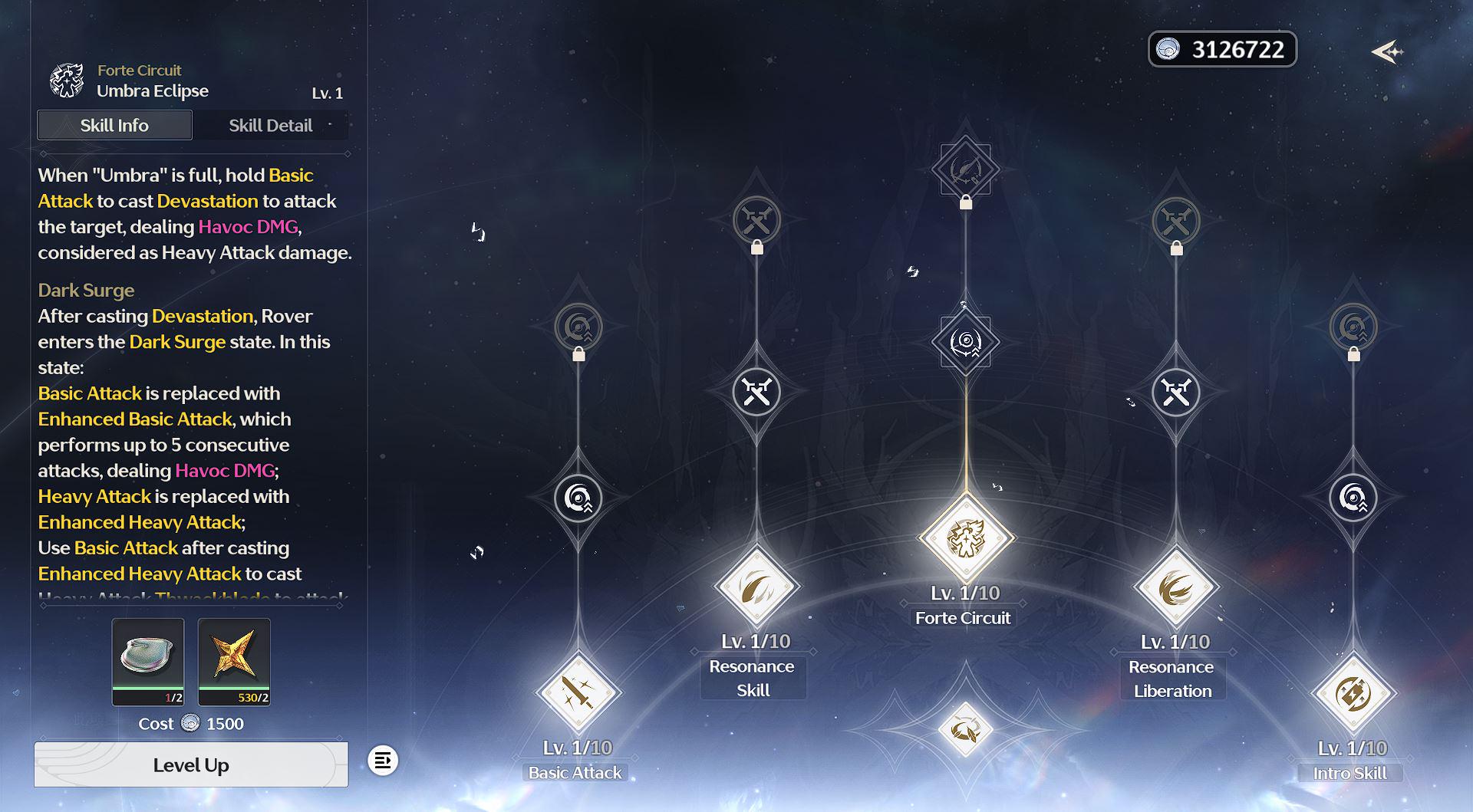
Resonators define combat style.
Each brings unique abilities and identity.
They are more than units.
They are narrative anchors.
Their personalities reflect their powers.
This strengthens immersion.
Team composition shapes gameplay approach.
Forte System Explained
Forte abilities act as signature mechanics.
Each Resonator has one.
They influence:
- Attack patterns
- Utility
- Combat role
Understanding Forte systems improves performance.
They are not optional features.
They define playstyle.
Team Synergy and Roles
Effective teams balance roles:
- Damage
- Support
- Control
Synergy comes from interaction.
Abilities amplify each other.
Switching between characters is constant.
Static play is inefficient.
This encourages experimentation.
No single setup dominates all scenarios.
Audio-Visual Experience


Presentation supports immersion.
Every element has purpose.
Visuals are sharp and dynamic.
Animation emphasizes motion and impact.
Sound design reinforces action.
Hits, movement, and abilities feel distinct.
Music adapts to context.
Exploration and combat feel different without disconnect.
Cinematic Storytelling
Cutscenes are integrated, not disruptive.
They maintain pacing.
Camera work highlights emotion and scale.
Characters feel present.
Dialogue avoids excess.
It focuses on relevance.
This keeps engagement high.
Music and Atmosphere
Soundtracks match environment tone.
Quiet areas stay minimal.
Combat escalates intensity.
Ambient sounds fill gaps.
Wind, movement, distant activity.
This creates consistency.
The world feels active even when still.
Final Thoughts
Wuthering Waves is a free-to-play game that delivers a captivating story from start to finish. At times, the narrative felt less like a traditional video game and more like reading an engaging novel, constantly drawing me deeper into its world and characters. The attention to detail throughout the environments is equally impressive, with stunning scenery that makes exploration rewarding and memorable.
What stands out most is how well the game balances storytelling, exploration, and combat. There is always something to do, whether you’re progressing through the main story, discovering new areas, or building your roster of Resonators. The world feels alive and worth investing time in.
If you’re looking for a game with a strong story foundation that can keep you entertained during your downtime, Wuthering Waves is well worth trying. It offers plenty of content, beautiful visuals, and engaging gameplay that make it easy to lose track of time. Coming from someone who is extremely selective about the games I play and quick to lose interest when a game becomes repetitive, Wuthering Waves has done an excellent job of keeping boredom at bay and giving me a reason to keep coming back for more.







Modern Warfare 4: Release Date, Campaign, Multiplayer & More

METAL GEAR SOLID Δ: SNAKE EATER – Everything You Need to Know

Wuthering Waves Guide: Combat, Story, Exploration



-


 Gaming Tips and Tricks3 years ago
VR Set to Transform Gaming Before 2025
-
 Technology at its Best3 years ago
Discover All the Exciting New Features of iOS 17
-
 Anime3 years ago
Exciting News: Solo Leveling Anime Confirmed for 2024 Release!
-
 Entertainment4 years ago
The Great Battery Debate: Lithium vs. Ultium Batteries
-
 Entertainment3 years ago
FFVII Remake Intergrade: A Stunning Reimagining with New Adventures
-
 Entertainment3 years ago
The Division’s Lethal Hunters: Unmasking the Enigmatic Assassins
-
 Entertainment3 years ago
BANISHERS: GHOSTS OF NEW EDEN: A Journey to Life and Death
-
 Mental Health Helpful Knowledge3 years ago
Self-Treat Cognitive Burnout: 10 Effective Strategies for Recovery


