

Entertainment
METAL GEAR SOLID Δ: SNAKE EATER – Everything You Need to Know
Learn everything about METAL GEAR SOLID Δ: SNAKE EATER, including gameplay, graphics, new features, FOX HUNT, and remake improvements.

METAL GEAR SOLID Δ: SNAKE EATER Review – The Ultimate Survival Stealth Remake
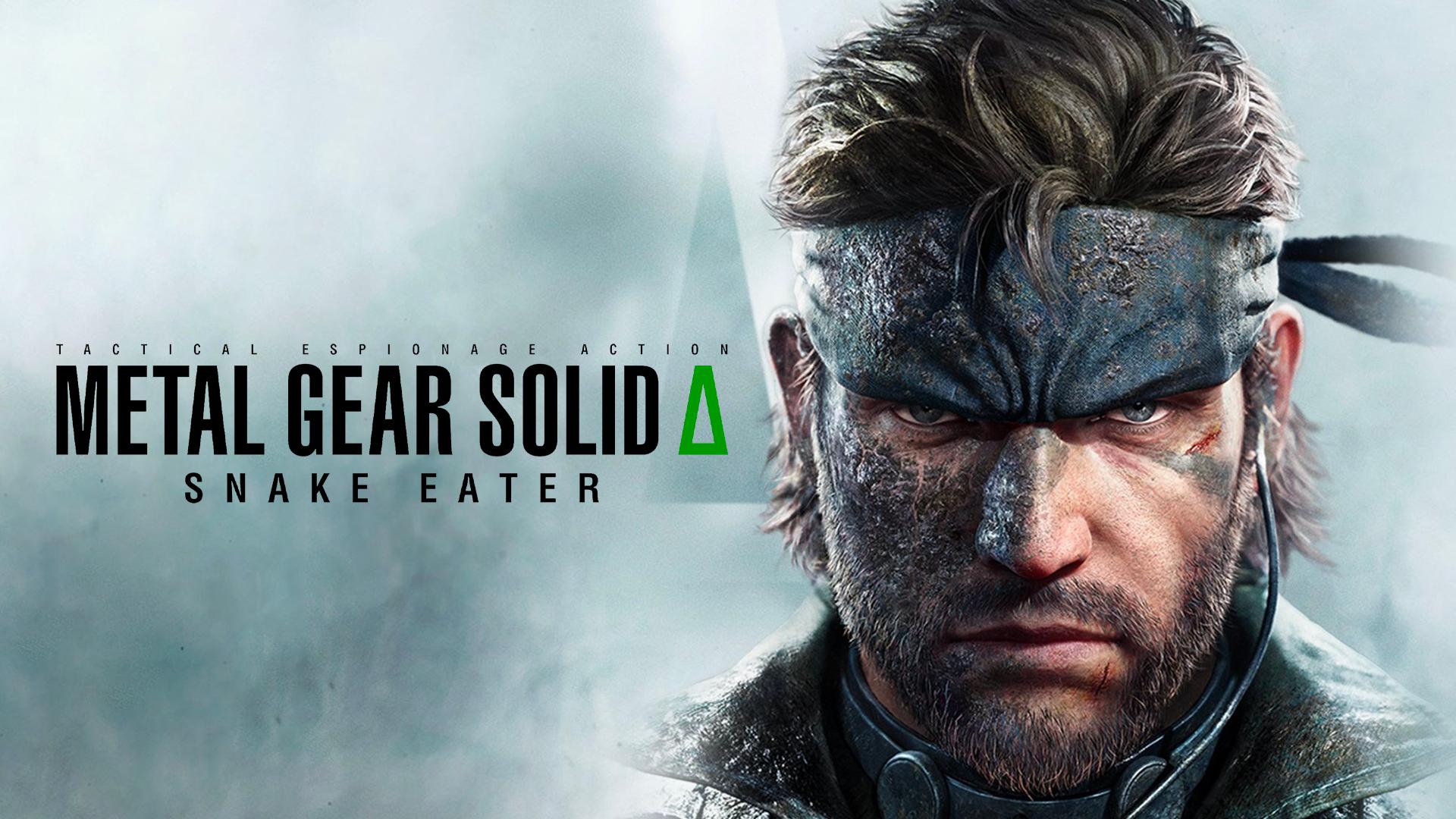
For more than two decades, Metal Gear Solid 3: Snake Eater has stood among the greatest stealth-action games ever created. It introduced players to the origins of Big Boss, delivered memorable boss battles, and combined cinematic storytelling with deep survival mechanics in ways few games have matched.
METAL GEAR SOLID Δ: SNAKE EATER rebuilds that experience from the ground up while preserving the original story, voice performances, music, and gameplay that defined the 2004 classic. Rather than reinventing the game, Konami focuses on enhancing every aspect with modern technology, including Unreal Engine 5 visuals, immersive 3D audio, updated controls, and a more detailed battle damage system.
The result is a remake that welcomes newcomers without losing the identity longtime fans remember.
Whether you are stepping into Snake’s boots for the first time or returning to one of gaming’s most influential adventures, this remake aims to deliver the definitive version of a legendary mission.
The Beginning of Big Boss’ Legendary Story
The original Snake Eater remains one of the most influential stories in gaming because it transformed a military stealth adventure into a deeply personal tale of loyalty, sacrifice, and political manipulation. Rather than relying solely on action, the game builds emotional weight through its characters and the difficult choices they face during a tense period of world history.
Set during the height of the Cold War, players control Naked Snake, an elite operative sent deep into the Soviet Union to rescue scientist Nikolai Sokolov before his research falls into dangerous hands. What begins as a straightforward extraction mission quickly turns into an international crisis when Snake’s legendary mentor, The Boss, unexpectedly defects to the Soviet side. Her betrayal not only causes the mission to fail but also places global stability at risk.
One week later, Snake is sent back behind enemy lines under Operation Snake Eater. His objectives are clear: rescue Sokolov, eliminate Colonel Volgin, destroy the Shagohod nuclear platform, and confront The Boss herself. These missions shape the future of the Metal Gear timeline and mark the beginning of Snake’s transformation into the soldier later known as Big Boss.
Unlike many military games, Snake Eater balances espionage with emotional storytelling. Every major encounter develops the relationships between its characters, making victories and losses feel meaningful rather than purely tactical. Themes of duty, patriotism, and personal conviction remain just as compelling today as they were in 2004, giving the remake a strong narrative foundation that continues to resonate with both longtime fans and first-time players.
A Cold War Mission That Changed History
The Cold War setting is more than a backdrop—it shapes every mission, every alliance, and every betrayal. Political tensions between world powers create constant uncertainty, forcing Snake to rely on stealth, resourcefulness, and survival skills instead of overwhelming firepower.
As players move through dense jungles, military compounds, swamps, and research facilities, they uncover a larger conspiracy involving nuclear weapons, secret organizations, and competing governments. The conflict feels grounded because it reflects the era’s atmosphere of espionage and hidden agendas.
Each objective gradually reveals how one soldier’s actions influence decades of future events. By the end of Snake’s mission, players gain a deeper understanding of the origins of Big Boss, the philosophies that divide key characters, and the events that lay the foundation for every Metal Gear game that follows.
Why Snake Eater Remains One of Gaming’s Greatest Stories
More than twenty years after its original release, Metal Gear Solid 3: Snake Eater continues to be regarded as one of the finest examples of storytelling in video games. While its stealth mechanics and survival systems helped define the genre, its emotional narrative is what has allowed it to stand the test of time.
Unlike many military action games, Snake Eater focuses on the people behind the mission. Every major character has clear motivations, personal conflicts, and beliefs that challenge Snake throughout his journey. The relationship between Snake and The Boss remains the emotional centerpiece of the story, raising difficult questions about loyalty, sacrifice, and whether following orders always serves justice.
The game also explores themes that remain relevant today. Political agendas, hidden operations, misinformation, and the cost of serving one’s country are woven into nearly every chapter. Rather than presenting heroes and villains in simple terms, the story encourages players to consider multiple perspectives before reaching their own conclusions.
Memorable encounters with members of the Cobra Unit, dramatic plot twists, and one of gaming’s most iconic endings combine to create an experience that continues to influence modern storytelling. The remake preserves every major narrative beat while presenting it with improved facial animation, cinematic camera work, and modern visual fidelity, allowing both longtime fans and newcomers to experience the story in its best form.
A Faithful Remake Built for Modern Hardware
One of the biggest concerns surrounding any beloved remake is whether it will remain faithful to the source material. METAL GEAR SOLID Δ: SNAKE EATER addresses that concern by rebuilding the game with modern technology while preserving the elements that made the original unforgettable.
The story, voice acting, music, and overall gameplay structure remain intact. Rather than rewriting scenes or changing major plot points, Konami focuses on improving presentation and immersion. Every environment has been recreated with significantly higher detail, making the jungles, rivers, caves, and military installations feel more believable than ever before.
The remake also introduces updated animations, realistic lighting, improved environmental effects, and immersive 3D audio that enhances every encounter. Rainfall sounds more natural, wildlife reacts more convincingly, and dense vegetation provides greater visual depth without altering the original level design.
Players can also choose between modern controls and a classic control scheme. This flexibility allows newcomers to enjoy a more familiar third-person action experience while longtime fans can revisit the game with controls that closely resemble the 2004 release.
Instead of replacing what made Snake Eater special, the remake strengthens every aspect of the original. It modernizes the presentation while respecting the pacing, atmosphere, and identity that earned the game its legendary reputation.
Unreal Engine 5 Brings the Jungle to Life
The move to Unreal Engine 5 represents one of the most significant upgrades in the remake. Every environment benefits from advanced lighting, higher-resolution textures, and greater environmental detail that dramatically increase immersion without changing the game’s core design.
Dense jungles feature realistic foliage that sways naturally with the wind. Swamps reflect surrounding vegetation, sunlight filters through tree canopies, and muddy terrain reacts convincingly as Snake moves through the environment. These visual improvements make exploration feel more dynamic while preserving the original map layouts.
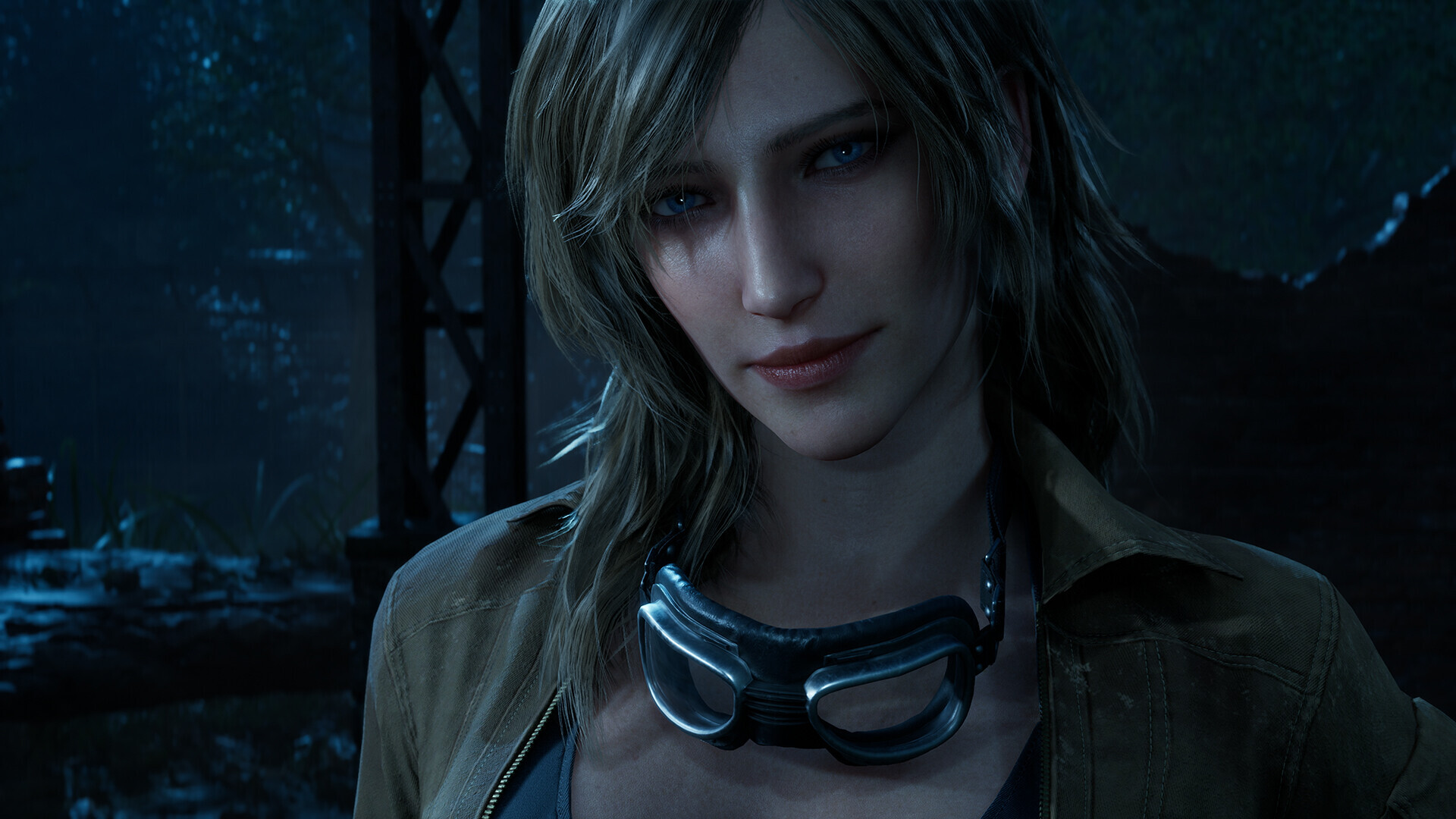
Character models have also received a substantial overhaul. Facial wrinkles, skin textures, eye movement, and expressive animations allow emotional moments to carry greater impact during both gameplay and cutscenes. Small details that were previously limited by older hardware are now presented with remarkable clarity.
Environmental audio has received similar attention. Birds, insects, rushing water, distant gunfire, and changing weather conditions combine with 3D audio technology to create a richer soundscape. Players can often identify enemy positions or wildlife simply by listening, reinforcing the survival-focused gameplay that defines Snake Eater.
Modern Controls Without Losing the Original Feel
Control improvements are often one of the most important aspects of a remake, especially for players discovering a classic title for the first time. METAL GEAR SOLID Δ: SNAKE EATER offers two distinct control options to accommodate different playstyles.
The newly introduced modern control scheme updates movement, aiming, and camera behavior to align with contemporary third-person action games. This makes sneaking through enemy territory, tracking targets, and navigating dense environments feel smoother and more intuitive. Players can concentrate on planning their approach instead of adjusting to older control conventions.
For longtime fans, the classic control option recreates the original experience as closely as possible. This preserves the deliberate pacing and tactical precision that defined the 2004 release, allowing veterans to revisit familiar mechanics without compromise.
Offering both styles is a thoughtful addition. New players receive an accessible entry point into one of gaming’s most celebrated stealth adventures, while returning fans retain the gameplay they remember. By supporting both approaches, the remake broadens its appeal without sacrificing authenticity, ensuring that every player can experience Snake’s legendary mission in the way that feels most comfortable.
Final Thoughts
Metal Gear Solid 3: Snake Eater has always been one of the more memorable entries in the series for me. It constantly challenged my patience, strategy, and determination. Some missions truly tested whether you had the persistence to keep pushing forward or the willingness to adapt and try a different approach.
The moments that always stayed with me were the encounters with enemies that seemed almost supernatural. Whether it was navigating through thick fog or moving through areas where mysterious foes appeared and disappeared in the darkness, those sections created a level of tension that few games have managed to replicate. Every step felt uncertain, and that atmosphere kept me on edge from beginning to end.
Then there’s the battle against Yevgeny Borisovitch Volgin. His overwhelming power and relentless attacks made for one of the most intense boss fights in the game. It was frustrating at times, but overcoming that challenge was incredibly rewarding and remains one of my favorite moments in the series.
When I first heard that METAL GEAR SOLID Δ: SNAKE EATER was being announced, saying I was excited would be an understatement. I was eager to see how one of my favorite stealth-action games would look and play on modern hardware, and I’m happy to say it delivers. The updated visuals, improved controls, and enhanced immersion make the experience feel fresh without sacrificing what made the original so special.
Most importantly, the story remains just as compelling as it was in 2004. Honestly, I would have been surprised if it weren’t. The Metal Gear series has always been known for its exceptional storytelling, unforgettable characters, and emotional moments, and this remake preserves all of that while introducing the adventure to a new generation of players.
If you’re a longtime fan, this is an excellent reason to return to Snake’s legendary mission. If you’ve never experienced Snake Eater before, there’s no better time to discover why it’s considered one of the greatest stealth games ever made.







Modern Warfare 4: Release Date, Campaign, Multiplayer & More

METAL GEAR SOLID Δ: SNAKE EATER – Everything You Need to Know

Wuthering Waves Guide: Combat, Story, Exploration



-


 Gaming Tips and Tricks3 years ago
VR Set to Transform Gaming Before 2025
-
 Technology at its Best3 years ago
Discover All the Exciting New Features of iOS 17
-
 Anime3 years ago
Exciting News: Solo Leveling Anime Confirmed for 2024 Release!
-
 Entertainment4 years ago
The Great Battery Debate: Lithium vs. Ultium Batteries
-
 Entertainment3 years ago
FFVII Remake Intergrade: A Stunning Reimagining with New Adventures
-
 Entertainment3 years ago
The Division’s Lethal Hunters: Unmasking the Enigmatic Assassins
-
 Entertainment3 years ago
BANISHERS: GHOSTS OF NEW EDEN: A Journey to Life and Death
-
 Mental Health Helpful Knowledge3 years ago
Self-Treat Cognitive Burnout: 10 Effective Strategies for Recovery


